
Executive Summary
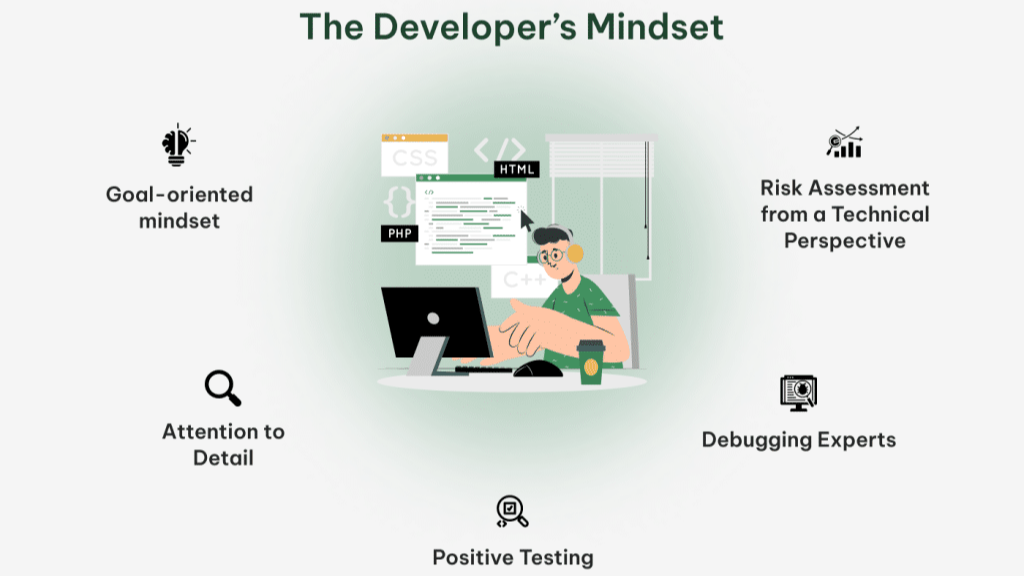
Problem-solving is not just a skill—it is a mindset. The people who consistently grow in their careers, especially in technology, business, and leadership, are those who enjoy solving problems rather than avoiding them. The good news is that this mindset is learnable. This article explains how you can train your thinking, habits, and skills to become someone who genuinely loves tackling problems—and turns challenges into opportunities.
Why Loving Problems Matters More Than Talent
Many people believe great problem-solvers are born smart. In reality, the strongest problem-solvers are those who are curious, patient, and systematic. They see problems as puzzles, not threats.
In careers like software development, cloud computing, cybersecurity, and data analysis, problems are unavoidable. What separates high performers is not the absence of problems—but their attitude toward them.
Search engines and employers alike value this trait because:
-
Problems drive innovation
-
Solutions create value
-
Mindset determines long-term success
1. Change How You Define a Problem
Instead of thinking:
“This is difficult.”
Train yourself to think:
“This is something I don’t understand yet.”
Problems are simply gaps in understanding. Once you reframe them this way, frustration turns into curiosity. This single shift dramatically reduces anxiety and increases engagement.
2. Break Big Problems into Small Wins
One reason people dislike problems is that they look overwhelming. Skilled problem-solvers instinctively decompose problems into smaller, manageable parts.
For example:
-
Large task → smaller tasks
-
Complex system → individual components
-
Unknown issue → known assumptions
Each small win builds confidence and momentum.
3. Learn to Ask Better Questions
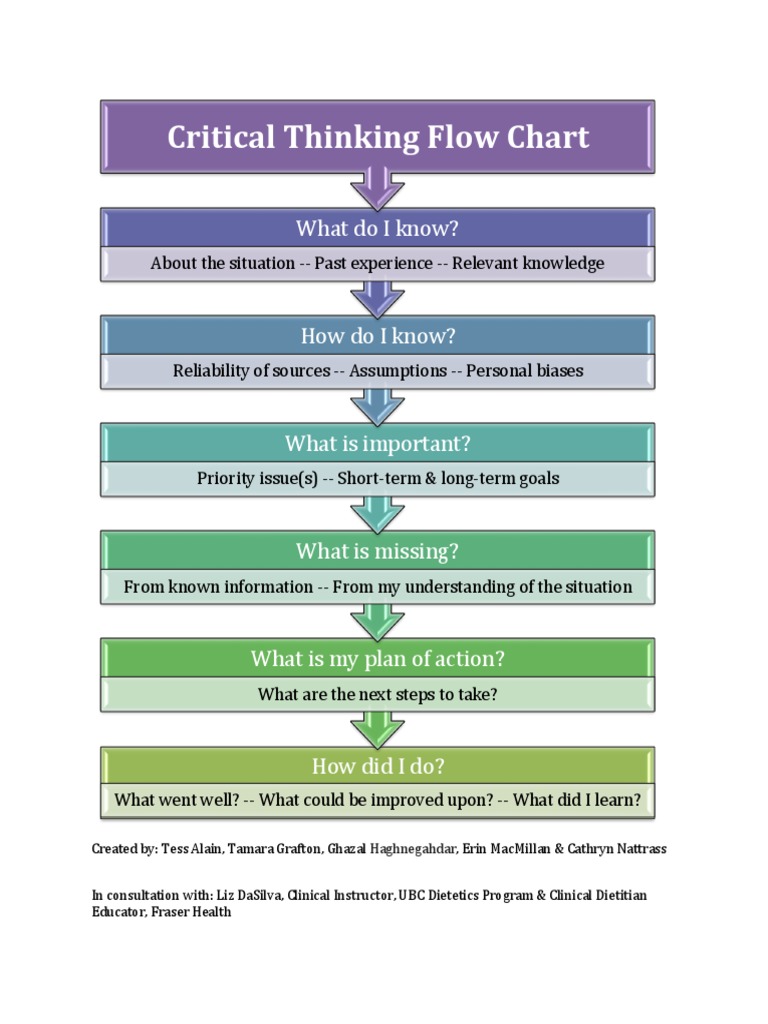
Problem-solvers don’t rush to answers—they ask precise questions:
-
What exactly is failing?
-
When does it fail?
-
What assumptions am I making?
-
What do I already know for sure?
Good questions lead to clear thinking. Clear thinking leads to solutions.
4. Practice Deliberate Problem-Solving
Loving problems comes from repeated exposure. The more you practice, the more familiar—and enjoyable—it becomes.
You can practice by:
-
Solving coding challenges
-
Analyzing real-world case studies
-
Debugging broken systems
-
Reviewing past mistakes and extracting lessons
Over time, your brain starts associating problems with progress, not stress.
5. Detach Emotion from Failure
Failure is feedback, not identity.
People who love problem-solving understand that:
-
Mistakes are data
-
Wrong attempts are learning steps
-
Confusion is temporary
When emotions are removed, problems become neutral—and even exciting.
6. Build a Learning-First Lifestyle
Problem-solvers are continuous learners. They read, watch, test, and experiment. Most importantly, they enjoy learning just enough to solve the next problem.
This habit compounds over time and makes problem-solving feel natural rather than forced.
Why This Skill Is Career-Defining
In the age of automation and AI, tools change quickly—but problem-solving remains timeless. Employers don’t just hire skills; they hire people who can handle uncertainty, adapt, and think clearly under pressure.
If you love solving problems, you will never be irrelevant.
Call to Action
At SkillTacks – AI & Machine Learning, we design our courses to train problem-solvers, not just tool users. Our learning paths focus on real-world challenges, critical thinking, and hands-on practice—so you don’t just learn concepts, you learn how to think.
Become the person who enjoys challenges.
Build skills that grow with every problem you solve.
Explore SkillTecks courses today and start developing a problem-solver’s mindset.